Before-and-after curb appeal photos can make a project look obvious once it's finished. The harder decision comes first: does your house need a new paint scheme, a more welcoming path, or both?
Start with the thing that interrupts the view from the street. If shrubs hide the entrance or the route to the door is unclear, begin with the front yard. If the approach is clear but the door and trim disappear into the facade, start with the house. When the two compete for attention, plan them together and do the work in stages.
Compare three directions on one house
We used Roomvana to make three AI-generated concepts from the same starting photo. These are ideas, not photographs of completed renovations. The views are close, but not pixel-identical: plant placement and the door panels vary. Check any proposed changes against the actual property.
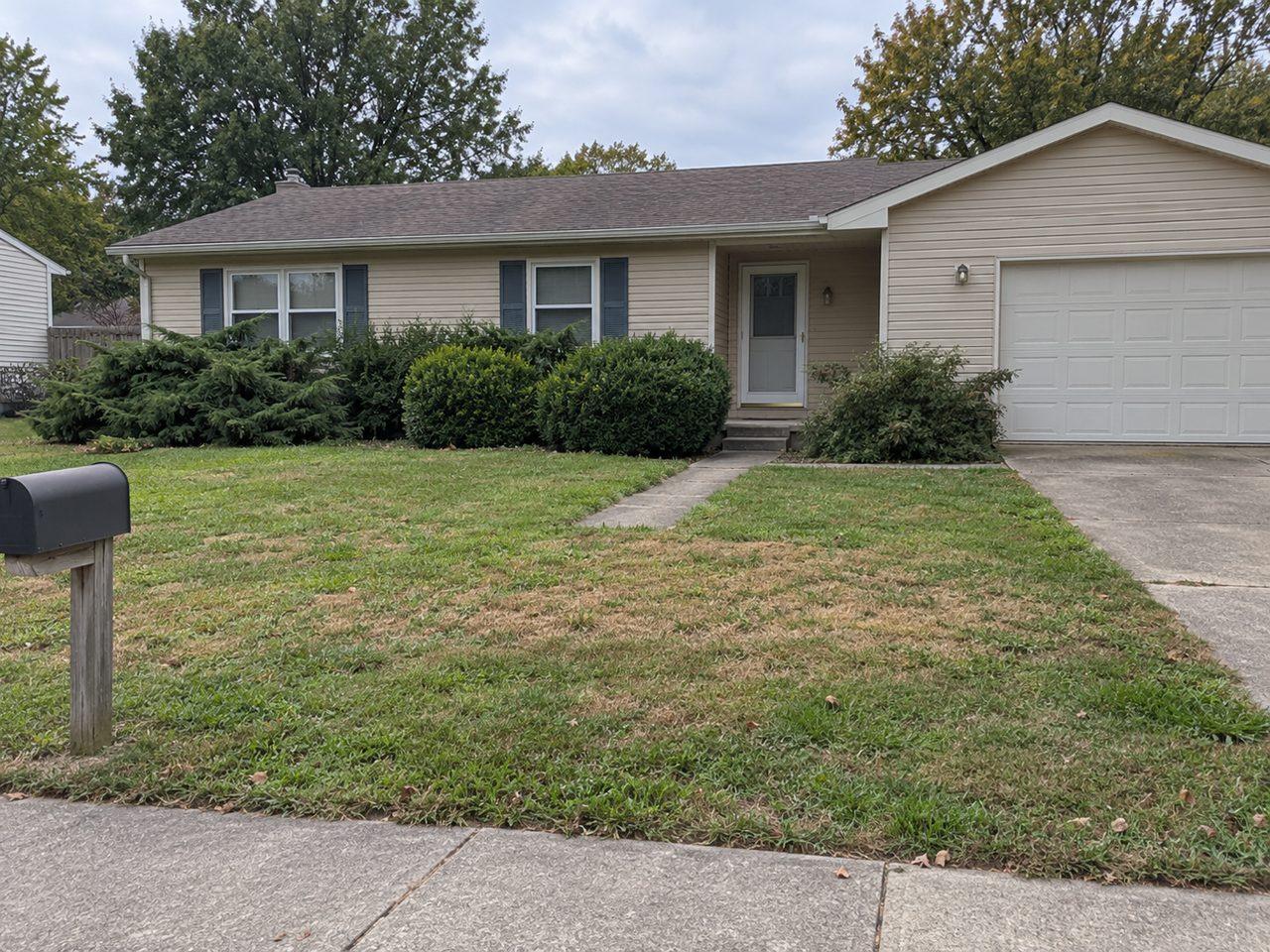
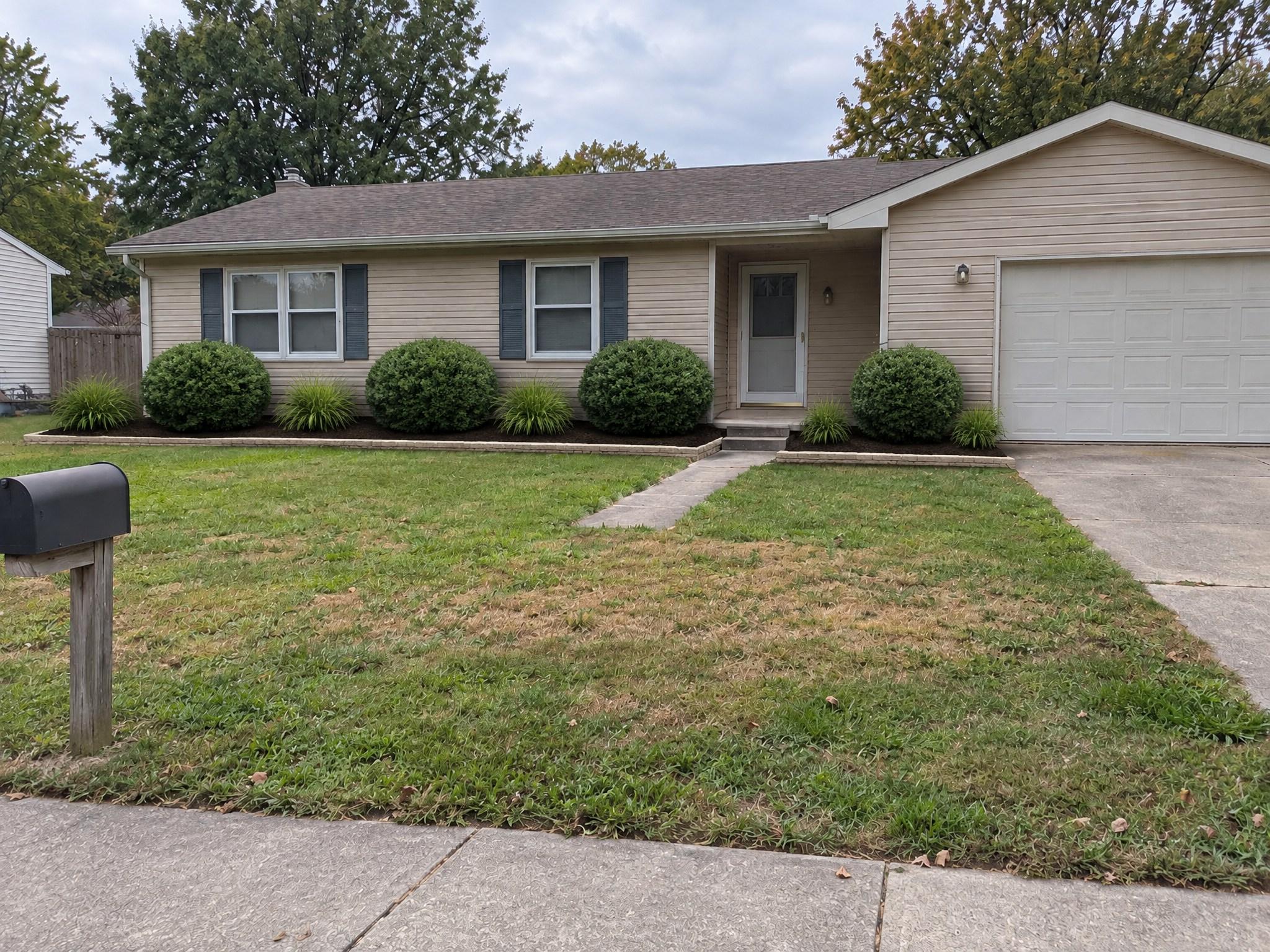
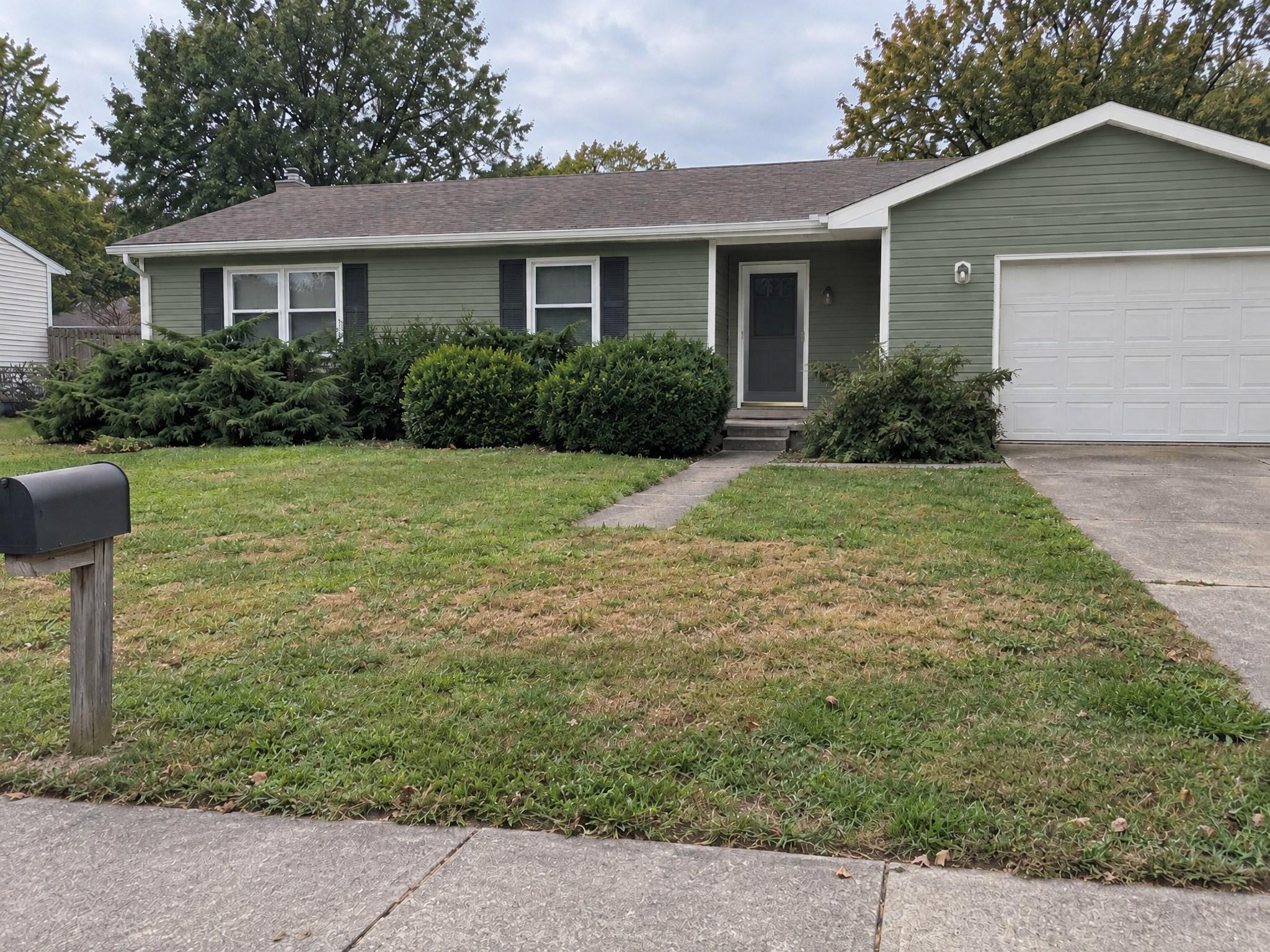
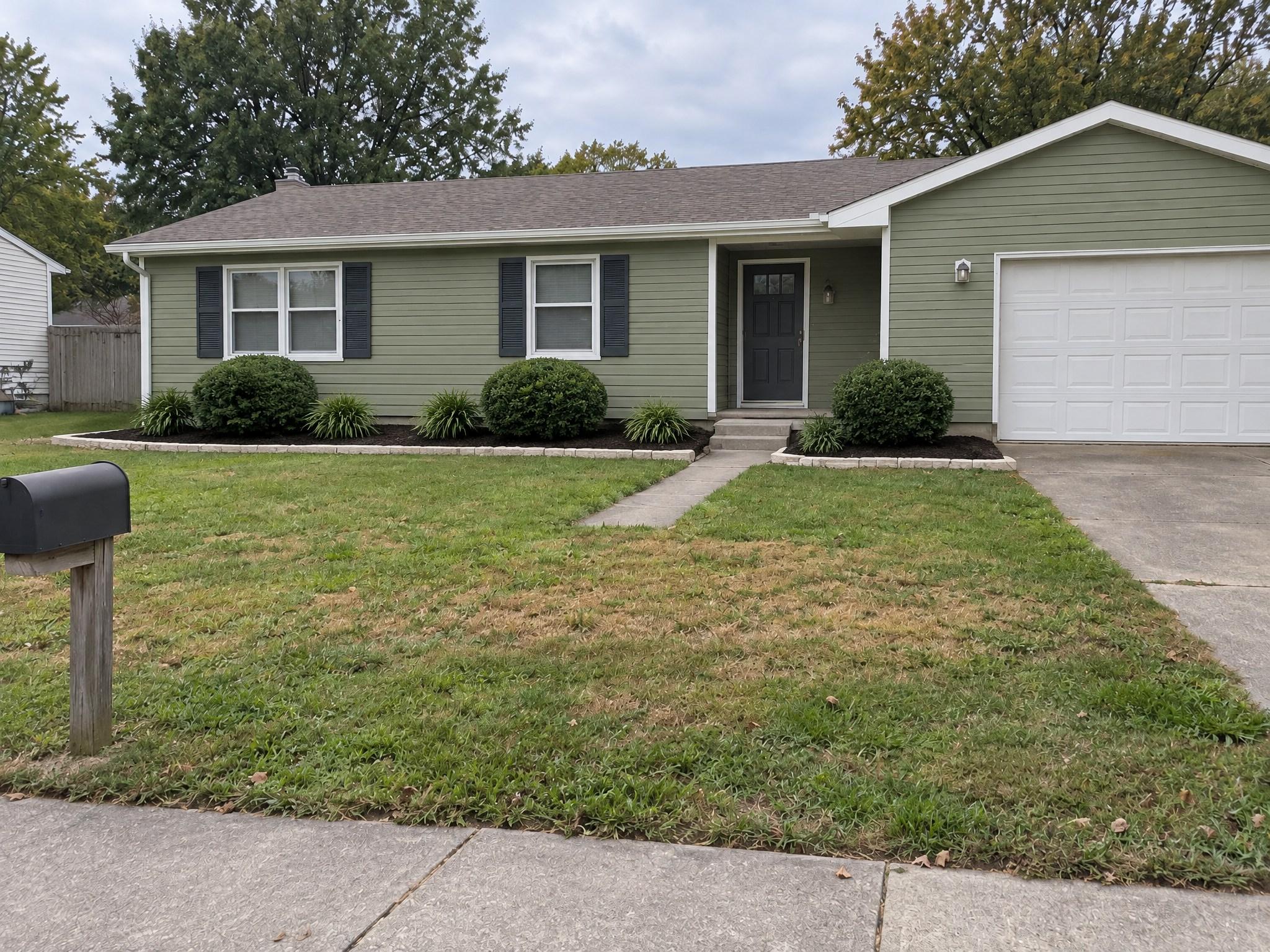
Our choice for this house is yard first. The lower planting opens the view of the windows and steps while keeping the existing facade. The facade-only concept gives the house a different color story, but leaves the crowded approach largely intact. The combined concept is useful if the owners also want to repaint; it isn't evidence of construction feasibility or cost.
Start with the yard when the entrance is hard to reach or see
Look at the route from the sidewalk or driveway. Can a visitor tell where to walk? Do plants block the front door, windows, house number, or light? An overgrown bed and an unclear path can distract from a facade that's otherwise in good condition.
Begin by clearing and maintaining what you have. Then consider reshaping a bed, defining the walkway, or adding planting that fits the available light and mature space. Check drainage, utility locations, local planting conditions, and walkway access before digging or changing grades. Our front yard landscaping ideas compare several directions for the same yard.
Start with the facade when the house lacks a focal point
If the path is clear and the entry still gets lost, look at the door, trim, porch, and garage. A distinct front-door color or a better-proportioned light fixture may be enough to give the eye a place to land. A new siding palette is a larger commitment; sample it beside the roof and any brick or stone that will stay.
Take a photo straight on from across the street and cover the yard in your mind. If the facade still looks disjointed, try a facade-first plan. For example, compare a quiet garage door with a darker entry door. Keep the roof and window frames in the comparison, because they affect the result even when you aren't changing them.
When should you plan both together?
Plan the yard and facade together when a single change would leave the other looking disconnected: a new path might meet the wrong part of a porch, or a striking new door might remain hidden behind a large shrub. Agree on the destination first, then sequence the work around repairs, access, and budget.
Planning together doesn't require doing everything at once. For a staged project, resolve needed repairs and drainage first; then complete disruptive work before final planting. Check with the relevant contractor about the order for your property.
| What you notice from the street | First comparison | A sensible first step |
|---|---|---|
| The front door is hidden or the route is unclear | Existing yard vs. a clearer path and planting | Prune, tidy, and mark a possible route |
| The entry is visible but blends into the facade | Existing facade vs. revised door and trim | Sample a door color beside existing finishes |
| The path, porch, and planting pull in different directions | Yard-only, facade-only, and combined concepts | Sketch a coordinated layout before committing |
| The house needs repair or water is draining toward it | Repair scope before cosmetic choices | Have the condition assessed locally |
Make a before-and-after plan you can actually use
- Photograph the whole front. Include the roof, entry, driveway, and as much yard as possible. Use the same viewpoint when you compare options.
- List what stays. Note the roof, brick, windows, mature trees, and any features you don't intend to replace.
- Choose one question per version. Try a yard direction, a facade direction, then a combined direction. Comparing one variable at a time makes the tradeoff easier to see.
- Check the details in the real world. Measure paths and planting areas, sample paint outside, and check local requirements before work starts.
An AI exterior design preview can help you explore a photo of your own home. Treat generated images as ideas: the model may change architectural details, and a realistic-looking path or plant isn't proof it will fit or thrive. Verify the dimensions, materials, and site conditions separately.
Take your street-view photo and circle the first thing you want a visitor to notice. Use that circle to decide which version to explore first.